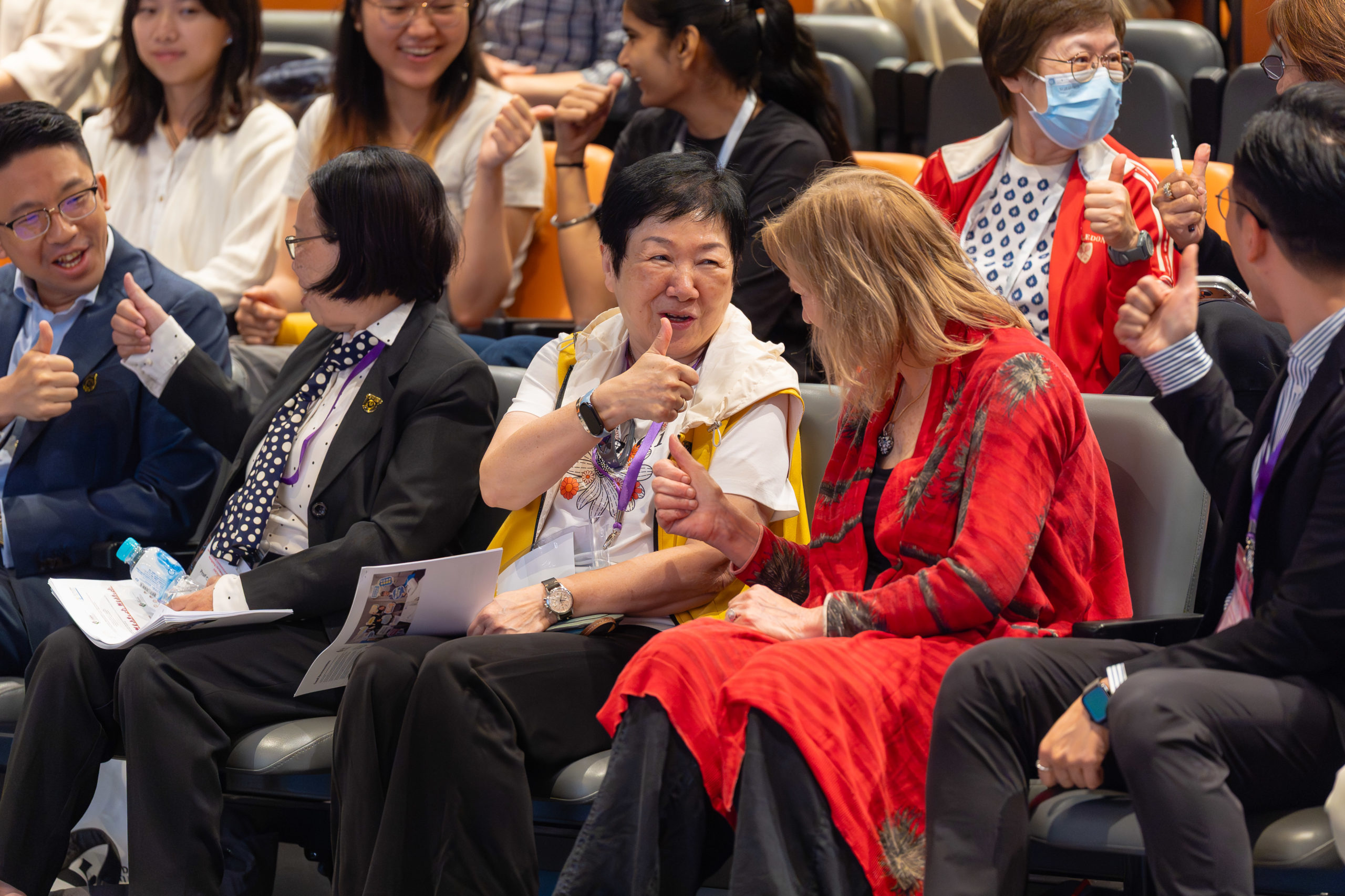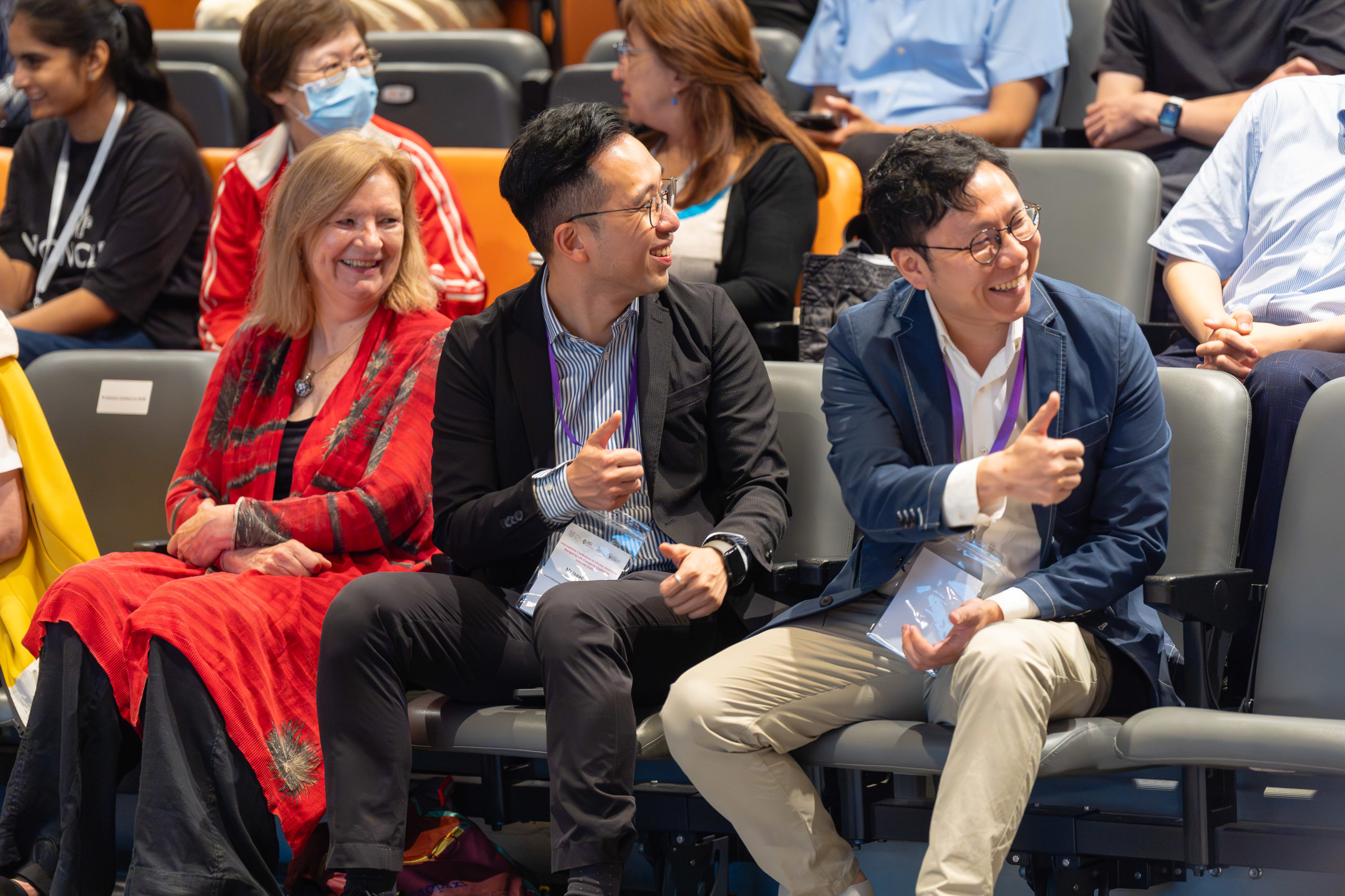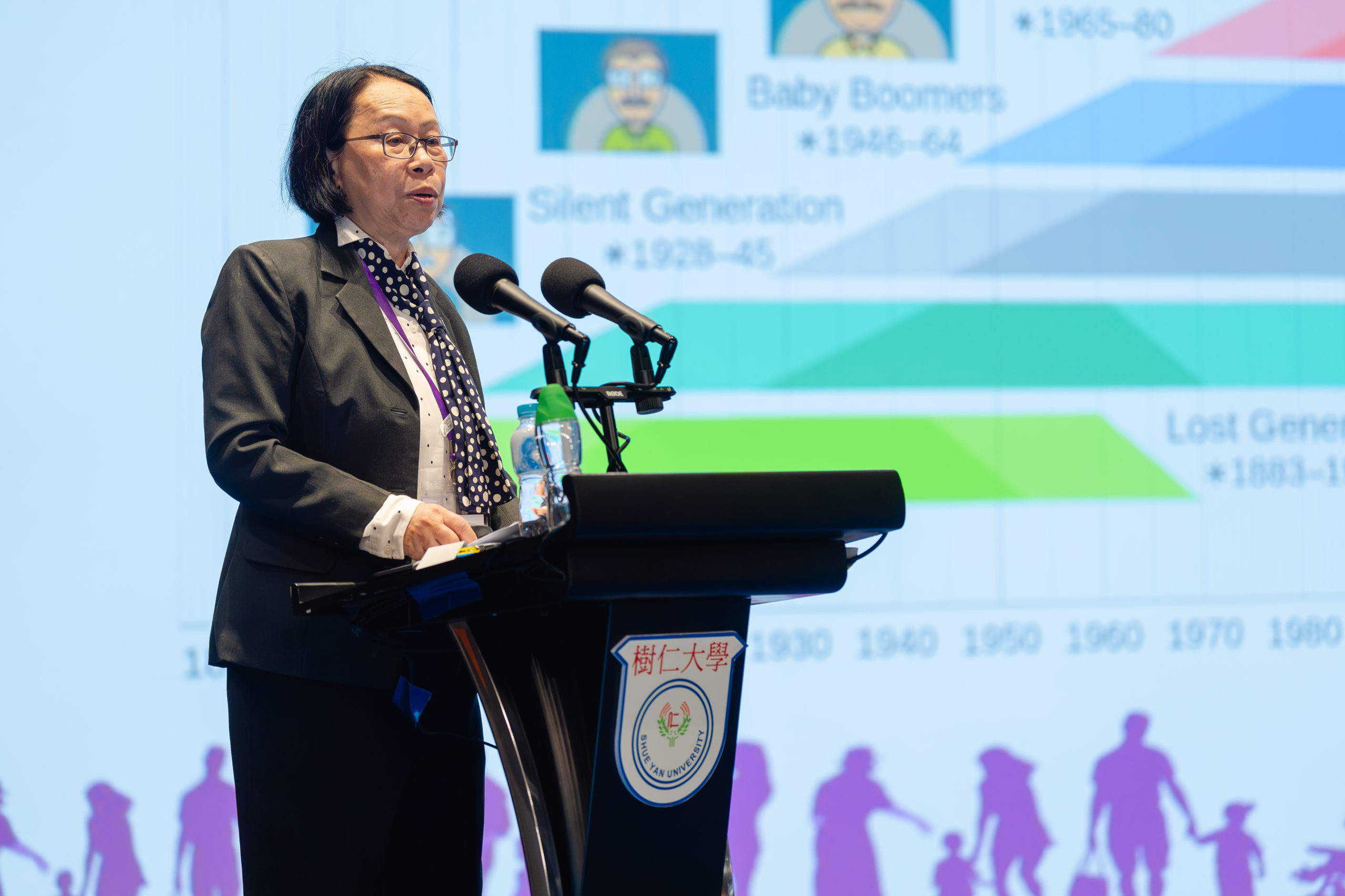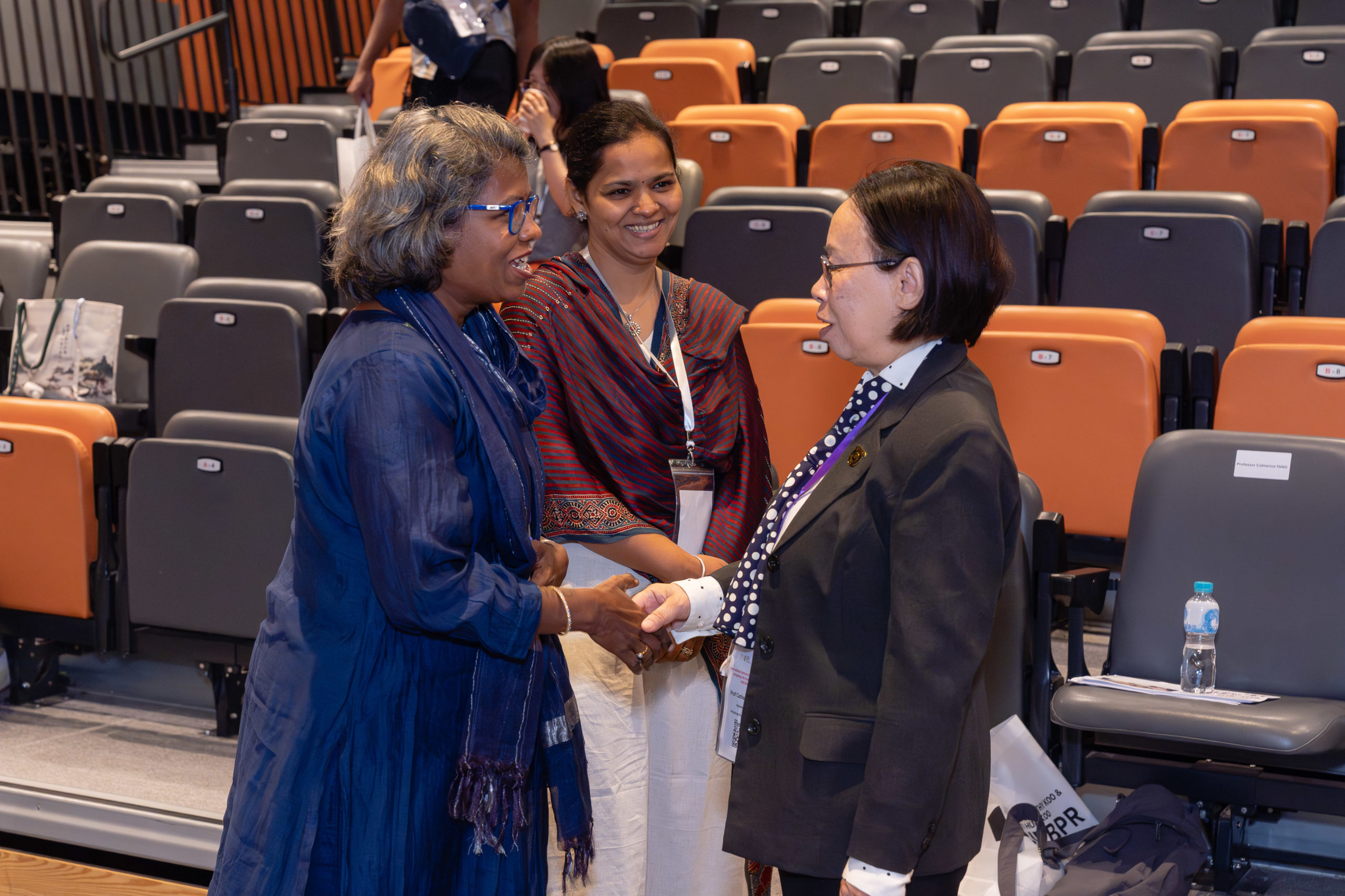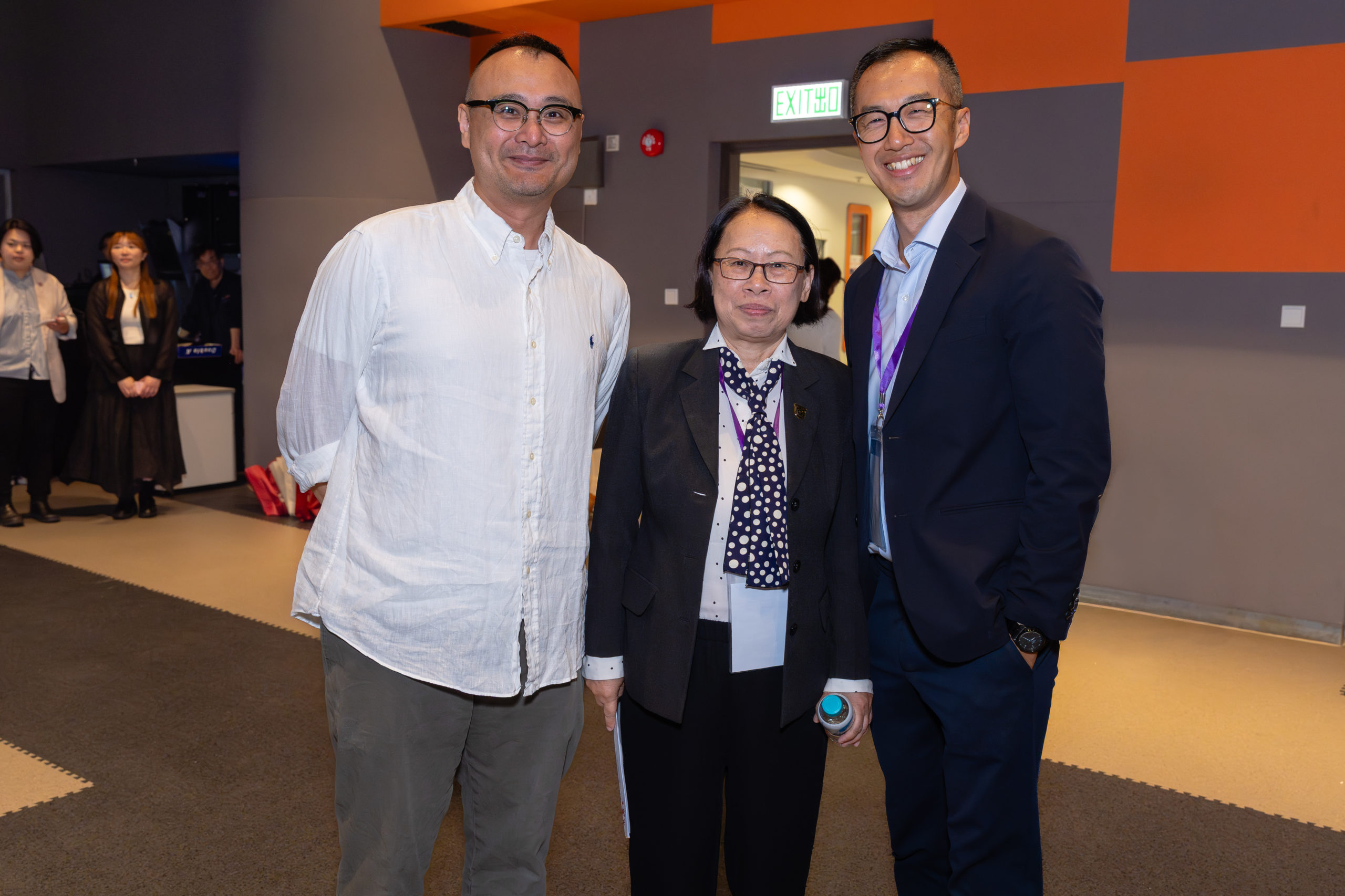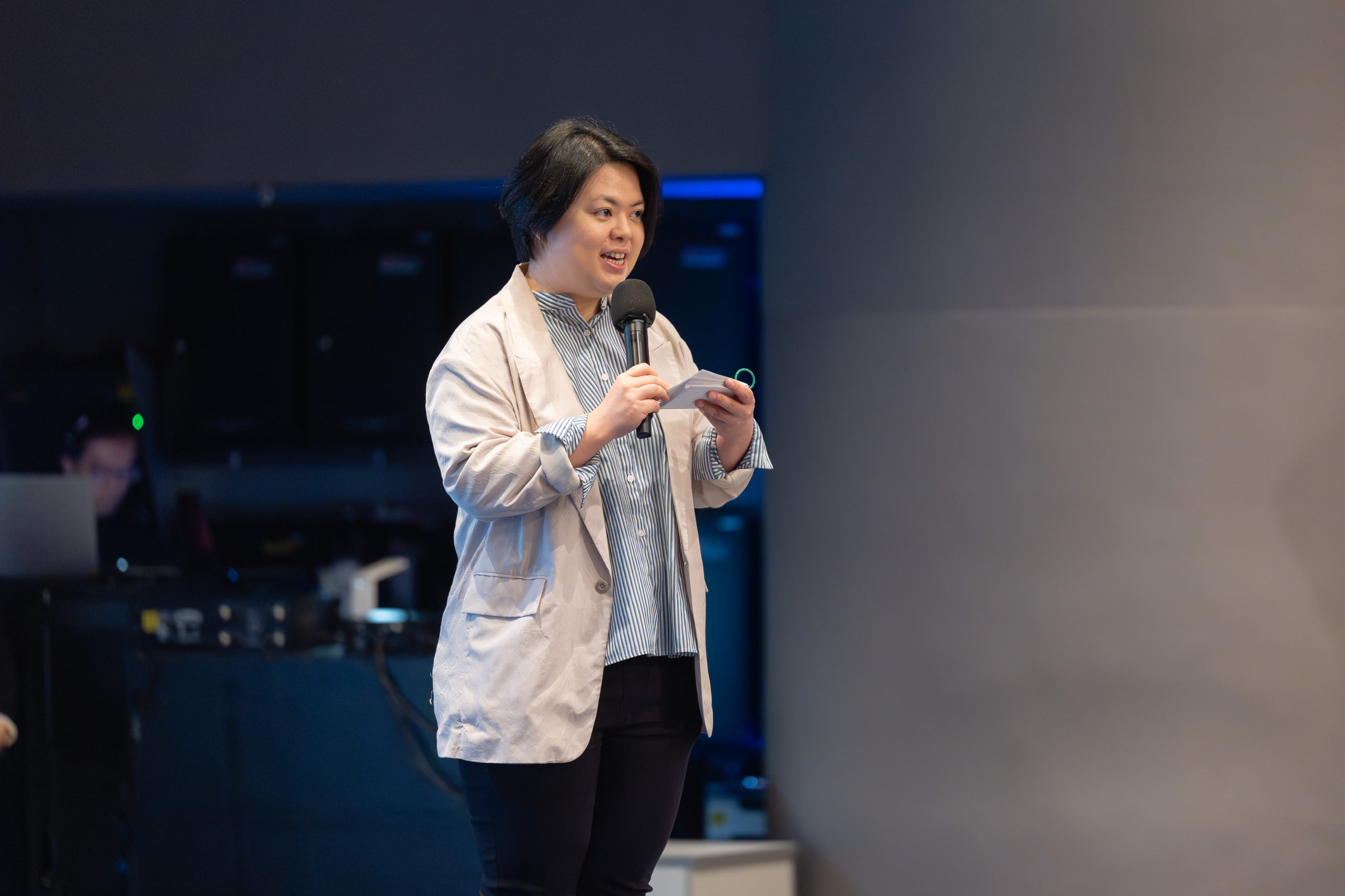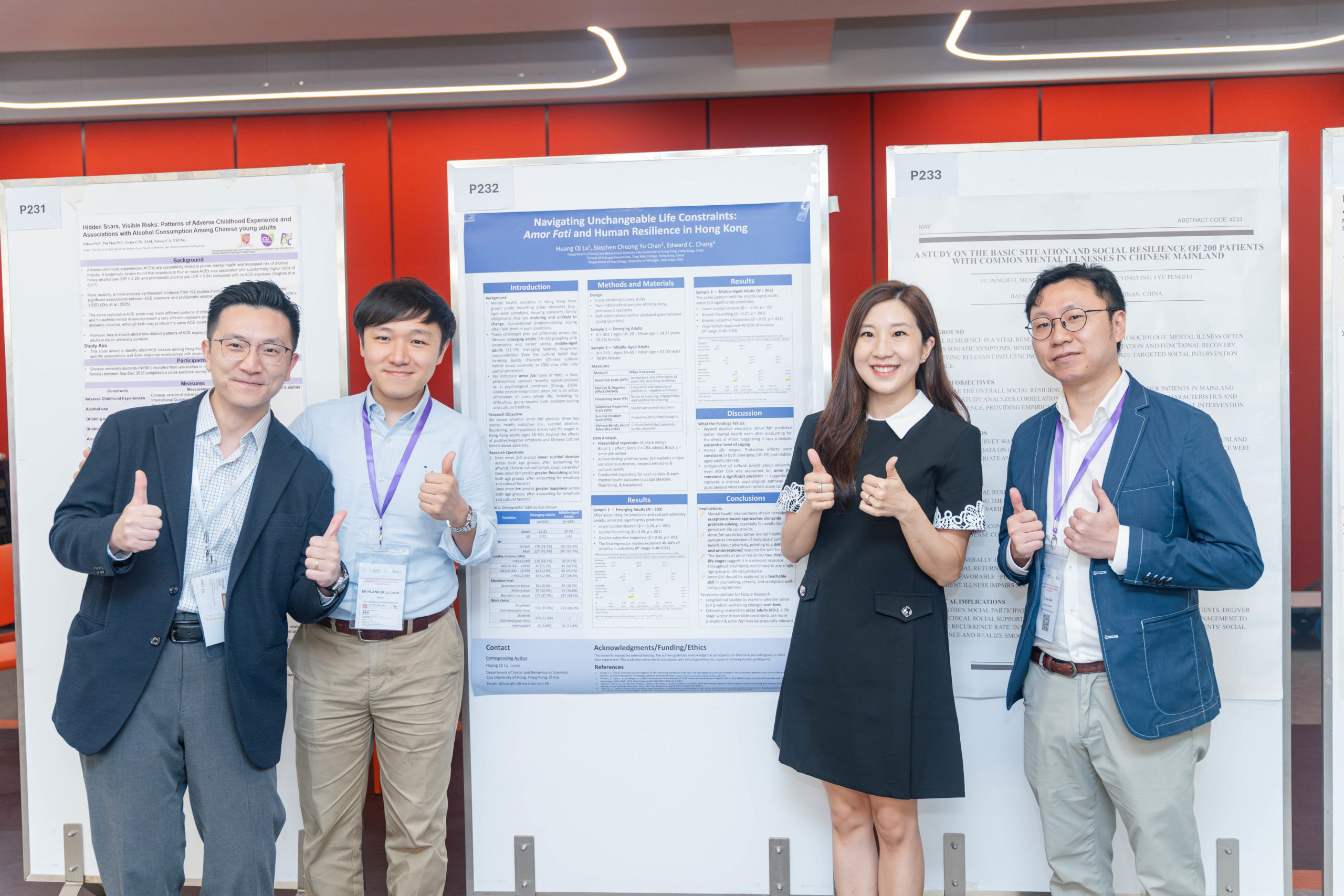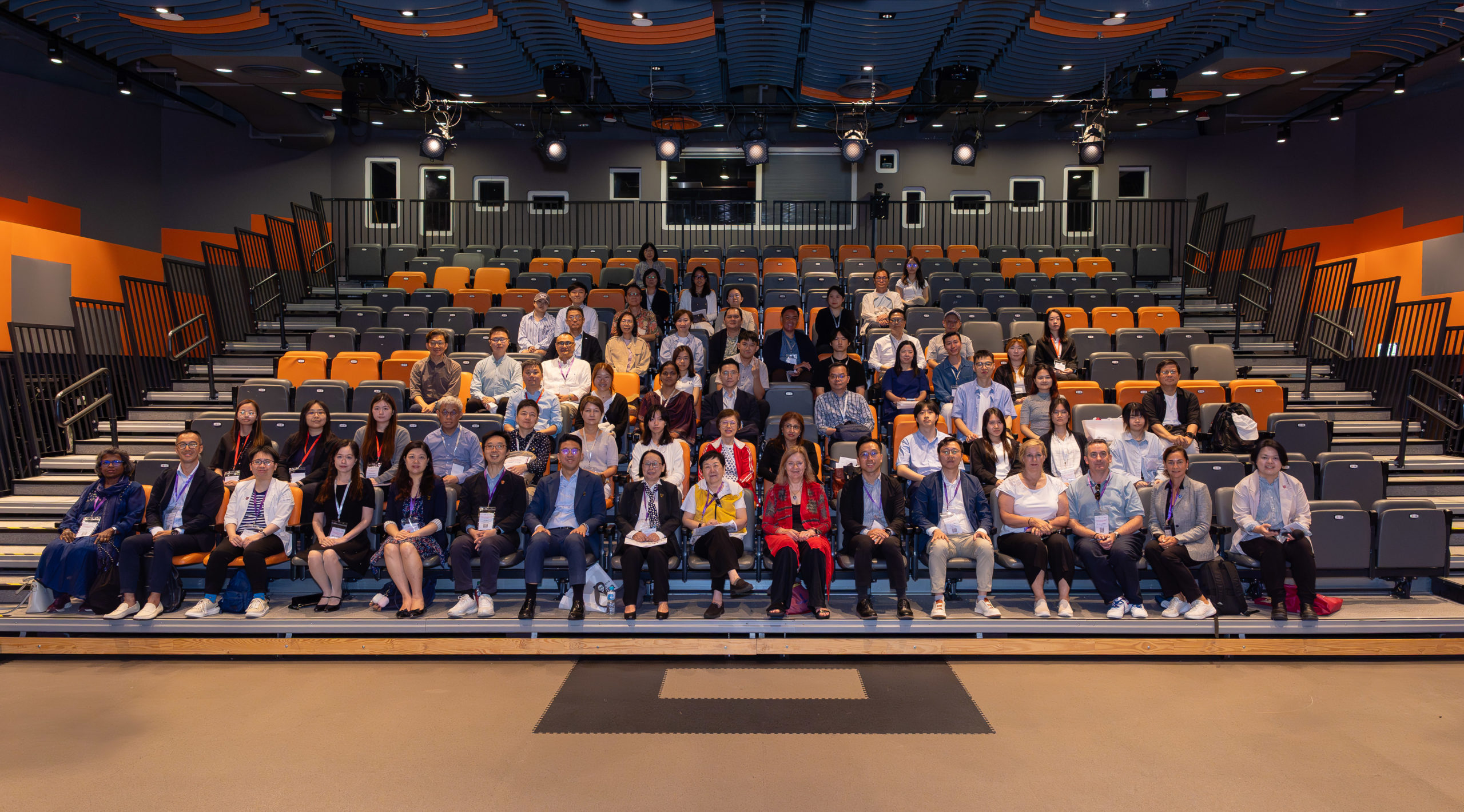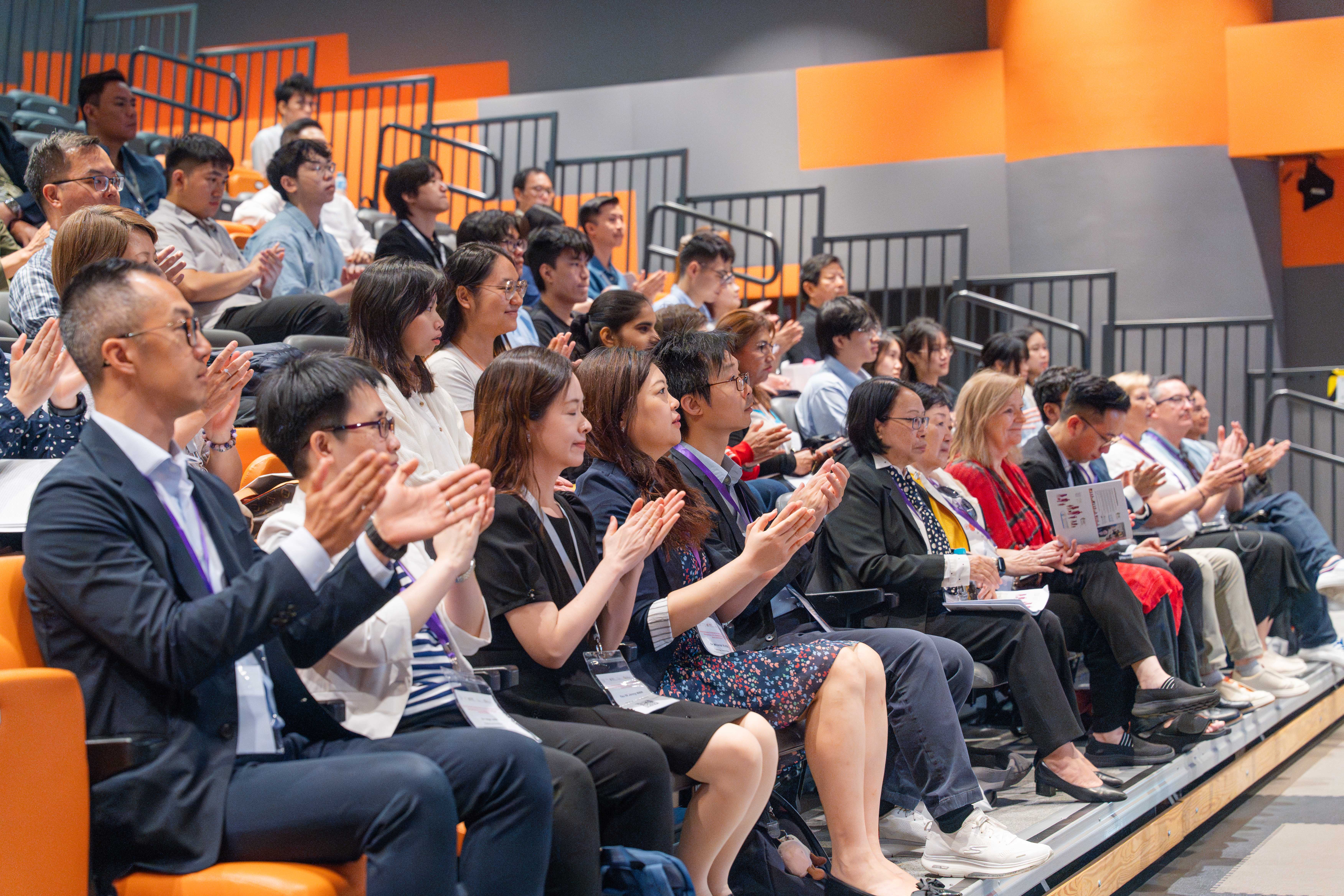
The “International Conference on Human Resilience: Navigating Life Changes & Challenges,” hosted by Hong Kong Shue Yan University, concluded its final day with a keynote address from Professor Tang So-kum, Distinguished Professor of Research in the Department of Counselling and Psychology. She synthesised findings from large-scale, interdisciplinary studies conducted by HKSYU and partner universities, examining resilience processes and mental health functioning across generations, from “Generation Alpha” (born from the early 2010s to the mid-2020s) to the Baby Boomers (born 1946-64) in Hong Kong.
Professor Tang highlighted that resilience is influenced by factors in the individual, family, community, social, and cultural levels. Among all generations, “Generation Z” (born between 1997 and 2012) has the highest levels of stress, anxiety, and depression. She suggested that resilience can be strengthened through emotion regulation and mental health support, while maintaining a healthy lifestyle, engaging in community activities, and fostering supportive family environments also play vital roles.
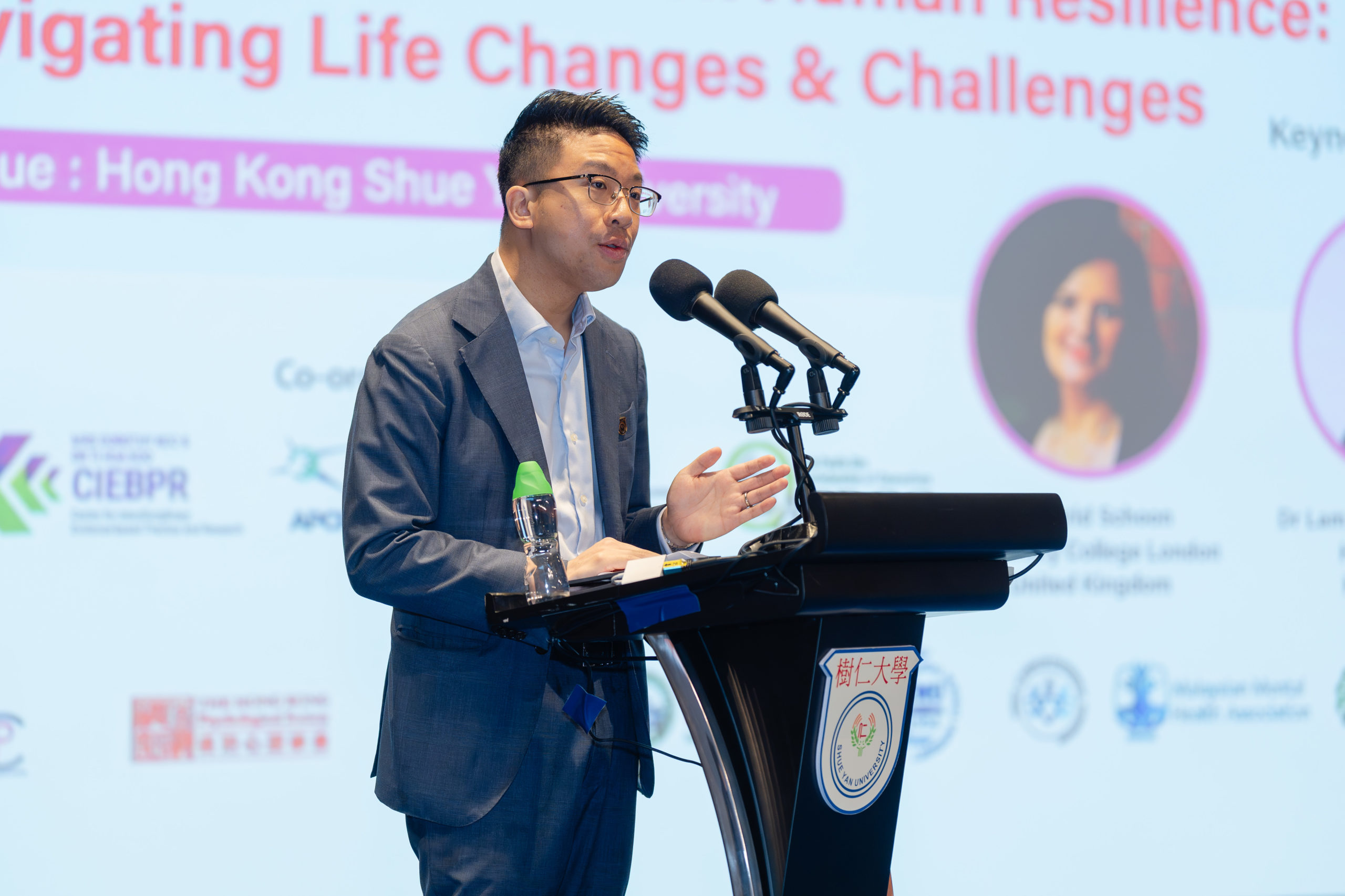
Dr Chow Tak-sang, Vice President (University Administration), remarked that the conference had united scholars and experts from various fields to explore resilience from multiple perspectives. He underscored that resilience is not merely a research topic, but a deeply human journey—developed not only within individuals, but also through interactions across systems such as relationships, institutions, societies, and cultures.