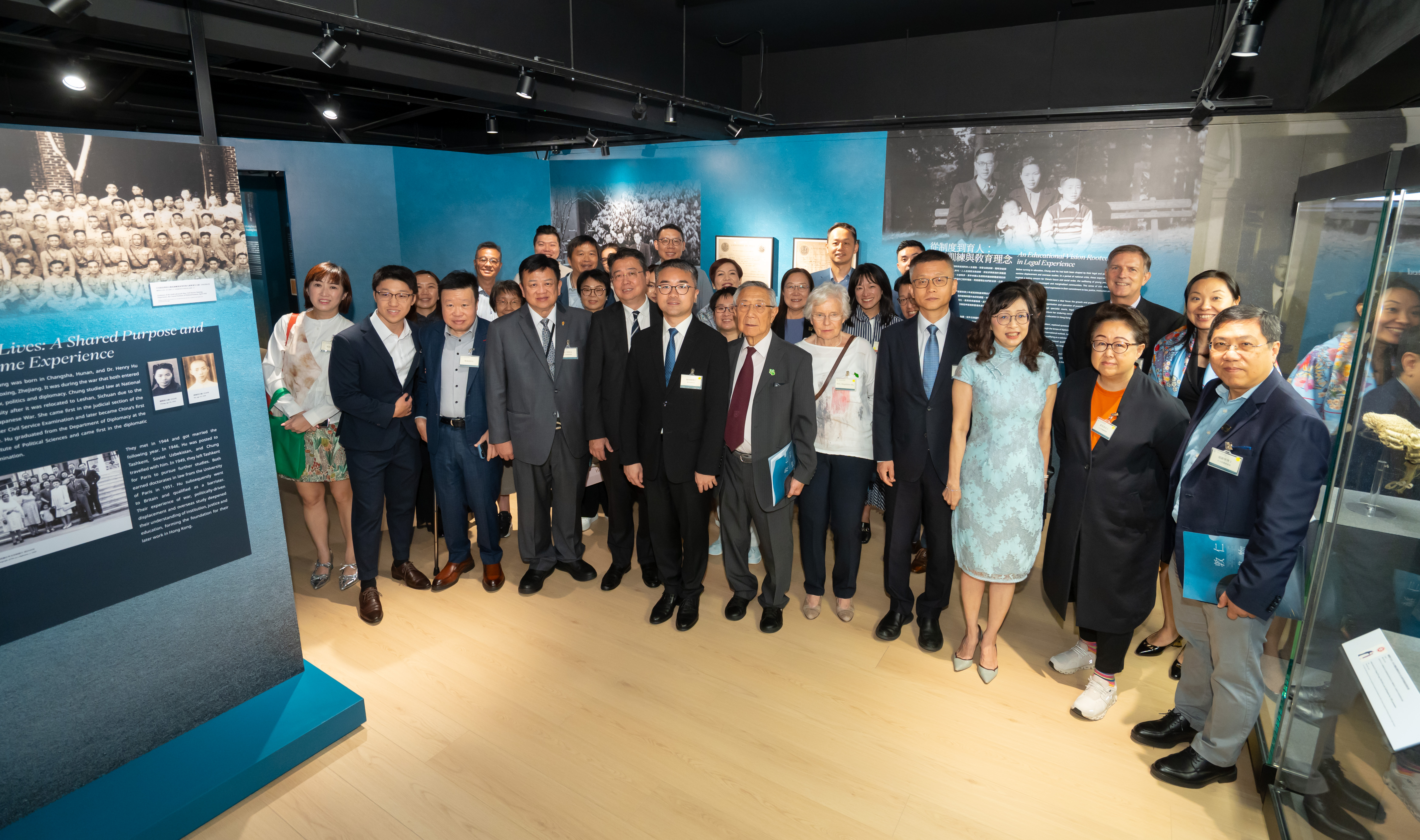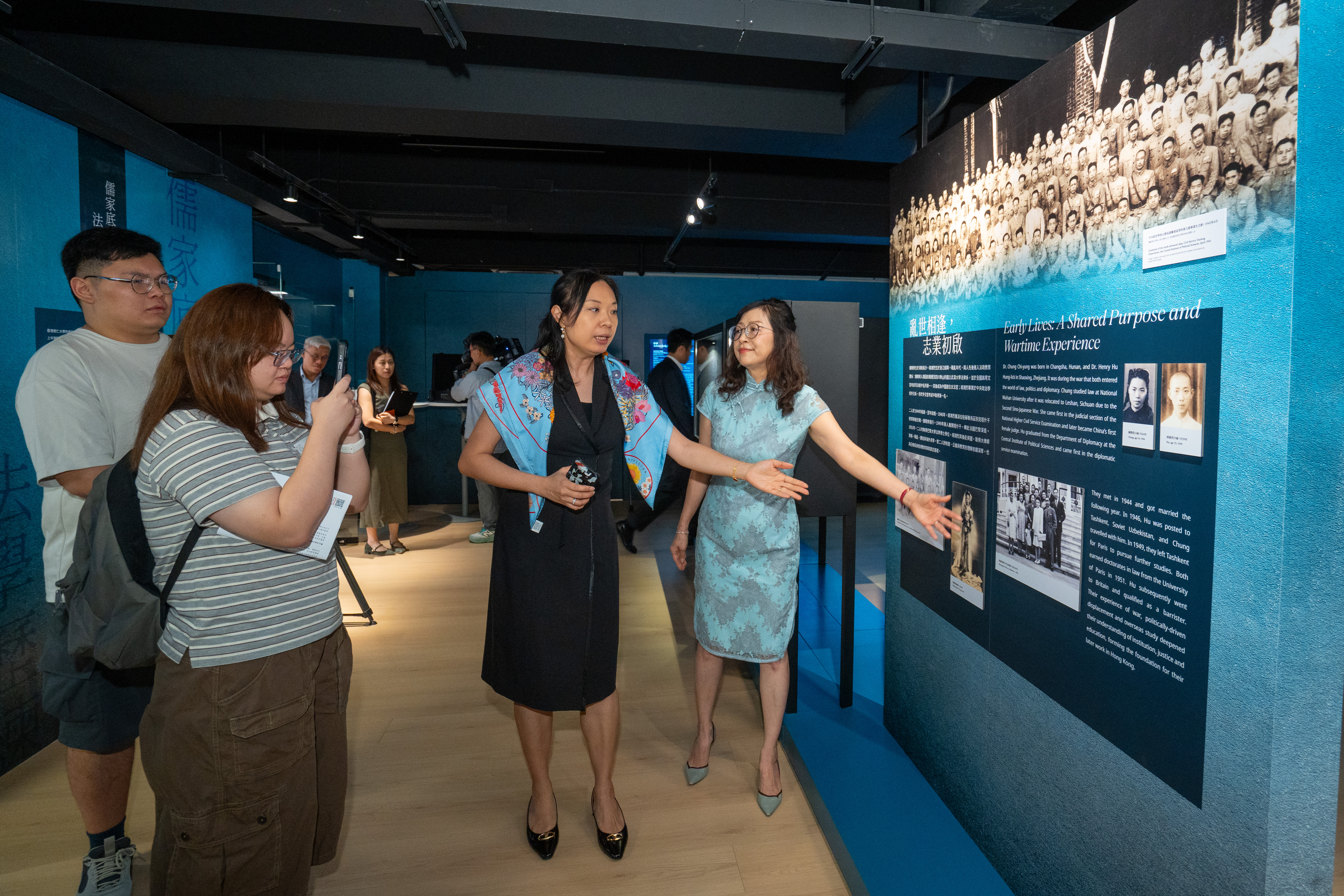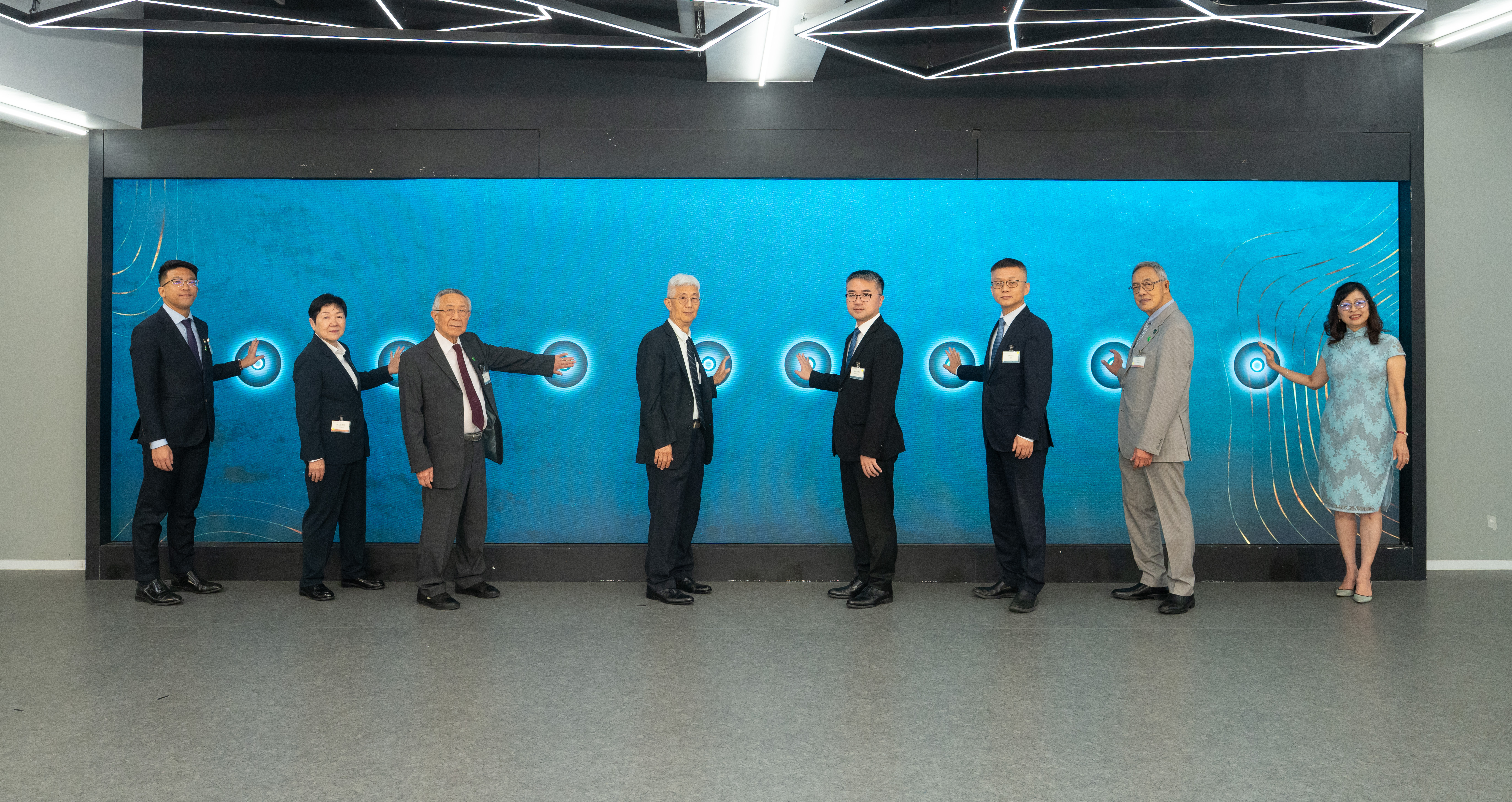
Hong Kong Shue Yan University (HKSYU) held the opening ceremony of its University History Museum on 27 October 2026, celebrating its 55th anniversary and 20 years since attaining university status. Through a collection of valuable artefacts, historical records and digital exhibits, the museum traces Shue Yan’s journey from its founding vision and establishment to its development into a private university. It also highlights the contributions of two founders, Dr Chung Chi-yung and Dr Henry Hu Hung-lick, in promoting higher education, social welfare and community development in Hong Kong.
Nearly 150 guests attended the opening ceremony, including Dr Jeff Sze Chun-fai, Under Secretary for Education; Mr Cui Feng, Second-level Inspector of the Department of Youth Affairs of the Liaison Office of the Central People’s Government in the Hong Kong Special Administrative Region; members of the HKSYU Board of Governors and senior management; representatives from the political, business and academic sectors; as well as faculty members, alumni and students.
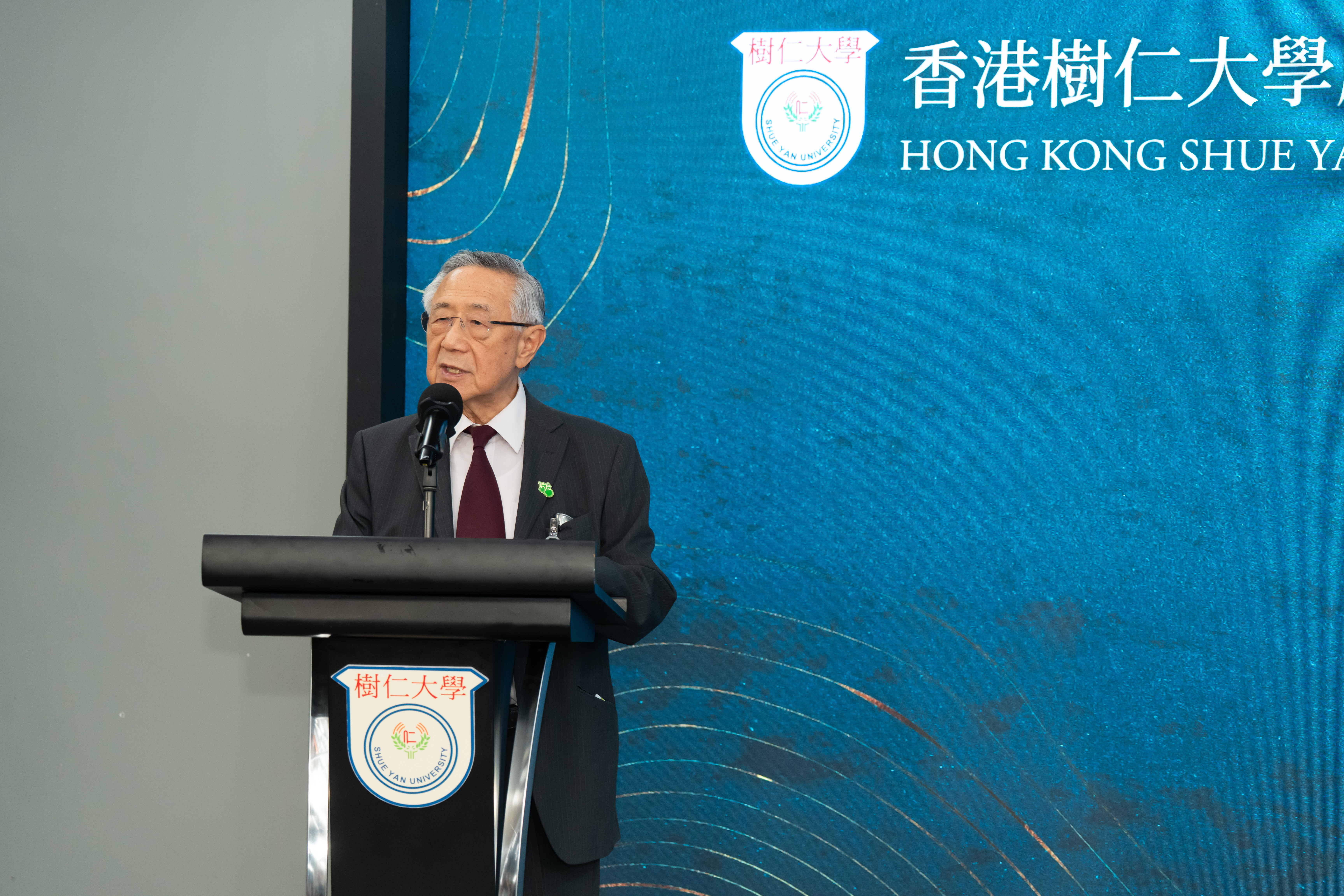
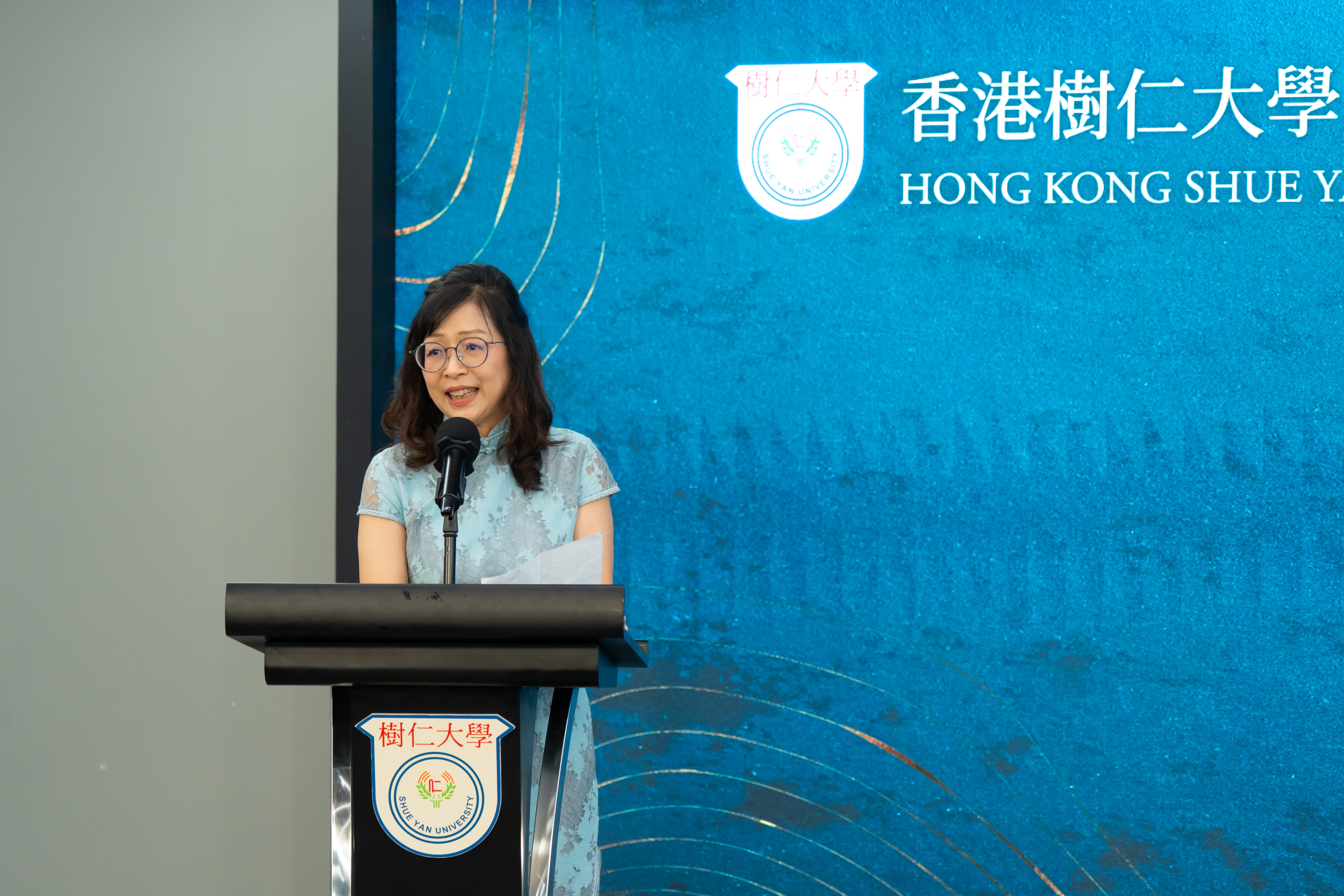
In his remarks, Professor Hu Yao-su, HKSYU Provost, quoted from Dr Chung Chi-yung’s 1998 book “Footprints of a Fengdouzhe” (“Fighter”) to illustrate her values and educational ideals. He said: “Dr Chung Chi-yung’s steadfast convictions and commitment to serving the nation through education will continue to be passed down, inspiring generations of Shue Yan students.”
 Dr Jeff Sze Chun-fai, Under Secretary for Education, described the completion of the University History Museum as an important milestone in HKSYU’s development of digital humanities. He noted that the museum not only preserves the University’s history but also showcases its achievements in digital humanities education, demonstrating how history and culture can be perfectly integrated with technology. Looking ahead, he expressed hope that the Education Bureau and HKSYU would continue to work hand in hand to support the high-quality and sustainable development of post-secondary education.
Professor Selina Chan Ching, Curator of the University History Museum and HKSYU Academic Vice President, said: “We hope the exhibition will draw lessons from history and offer visitors fresh perspectives, encouraging them to reflect on issues concerning young people, educational opportunities, language, identity, and institutional recognition. In an age of artificial intelligence and globalisation, it also invites us to examine universities’ public mission and humanistic values, work together toward a more open, equitable, and inclusive future for higher education, and further strengthen Hong Kong’s position as an international education hub.”
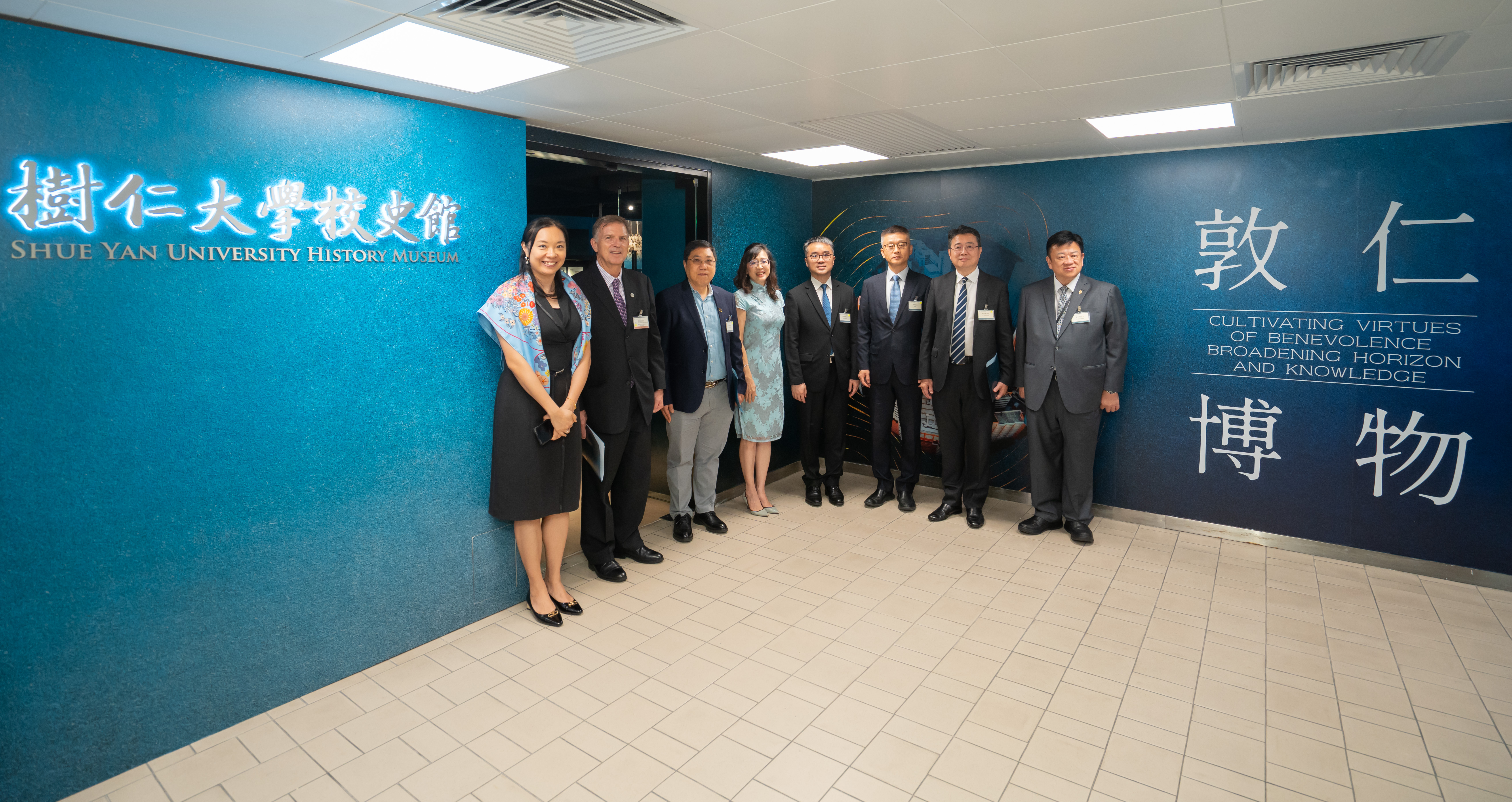
Located on the ground floor of the University’s Academic Building, the museum covers approximately 3,000 square feet. It is organised into five thematic sections. The first explores the Confucian values, legal training and educational philosophy of the University’s founders, Dr Chung Chi-yung and Dr Henry Hu Hung-lick. The second examines their response to the educational and social challenges of post-war Hong Kong following their return from overseas. The third focuses on the founding of Shue Yan College, its educational mission and early development. The fourth highlights the University’s determination to preserve its four-year curriculum and pursue institutional recognition amid changing education policies and external pressures. The fifth traces Shue Yan’s academic and research development following its attainment of university status, as well as its vision for advancing liberal arts education in a changing world.
The museum also features a range of digital interactive exhibits, some of which were designed and developed by current students as part of their coursework and academic projects. By integrating historical research with hands-on learning, these exhibits reflect the University’s strategic focus on “Digital Humanities and Liberal Arts Education” and offer fresh perspectives on Shue Yan’s history through the eyes of a new generation of students.
The interactive content will be regularly updated, incorporating new contributions from students and stories from alumni across different generations. This ongoing development will enable the museum not only to preserve the University’s heritage, but also to serve as an evolving platform that connects current students with alumni and keeps Shue Yan’s history relevant to future generations.