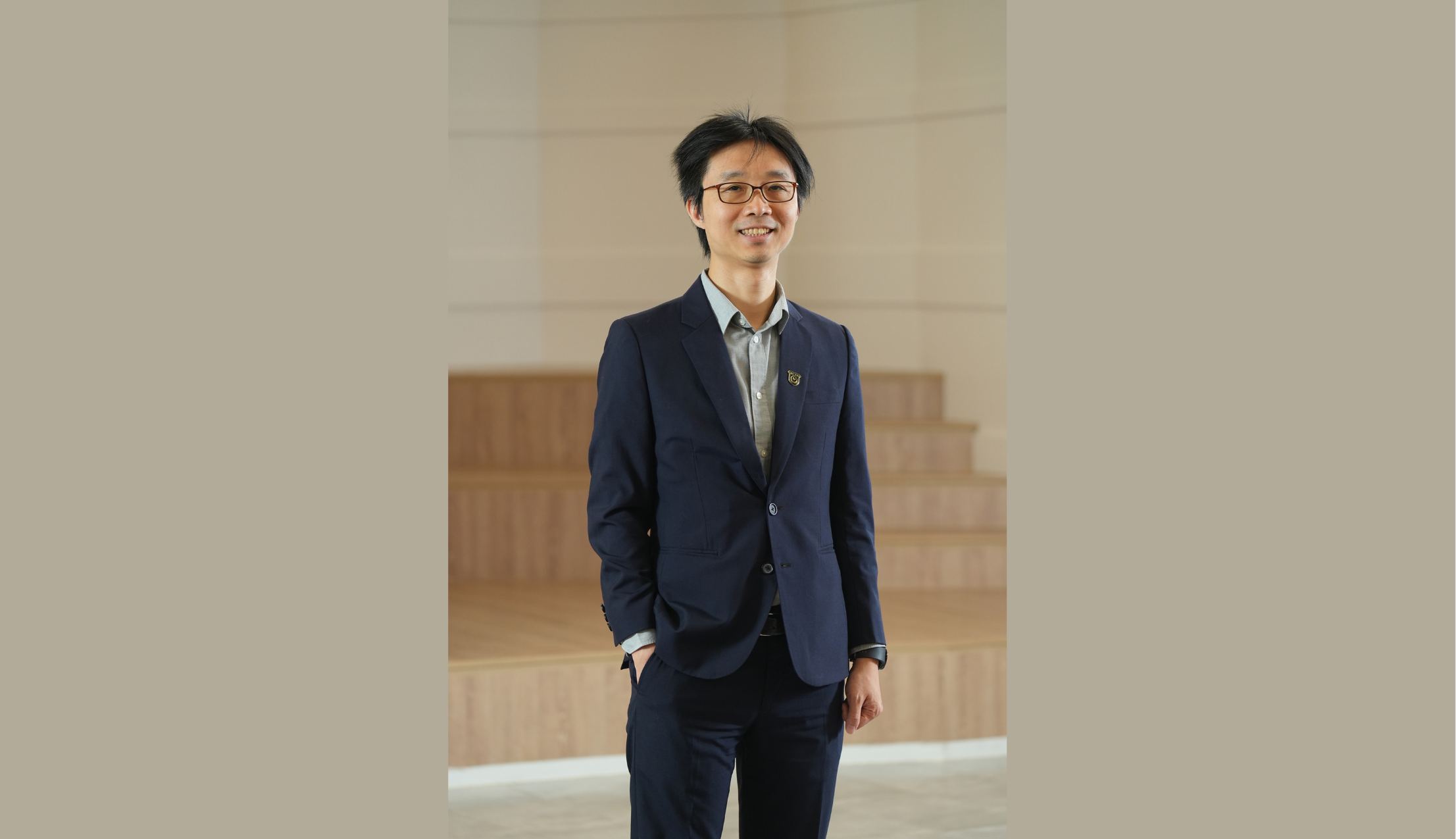
With Hong Kong Shue Yan University (HKSYU) making its debut in the QS World University Rankings and continuing to advance “Digital Humanities” and “Knowledge Transfer” in teaching and learning, Dr Alex LI, Vice President (Accreditation and Programme Development), stated that the University will support the development of research ideas and help research outcomes respond more closely to societal needs through research support, interdisciplinary collaboration, and external engagement.
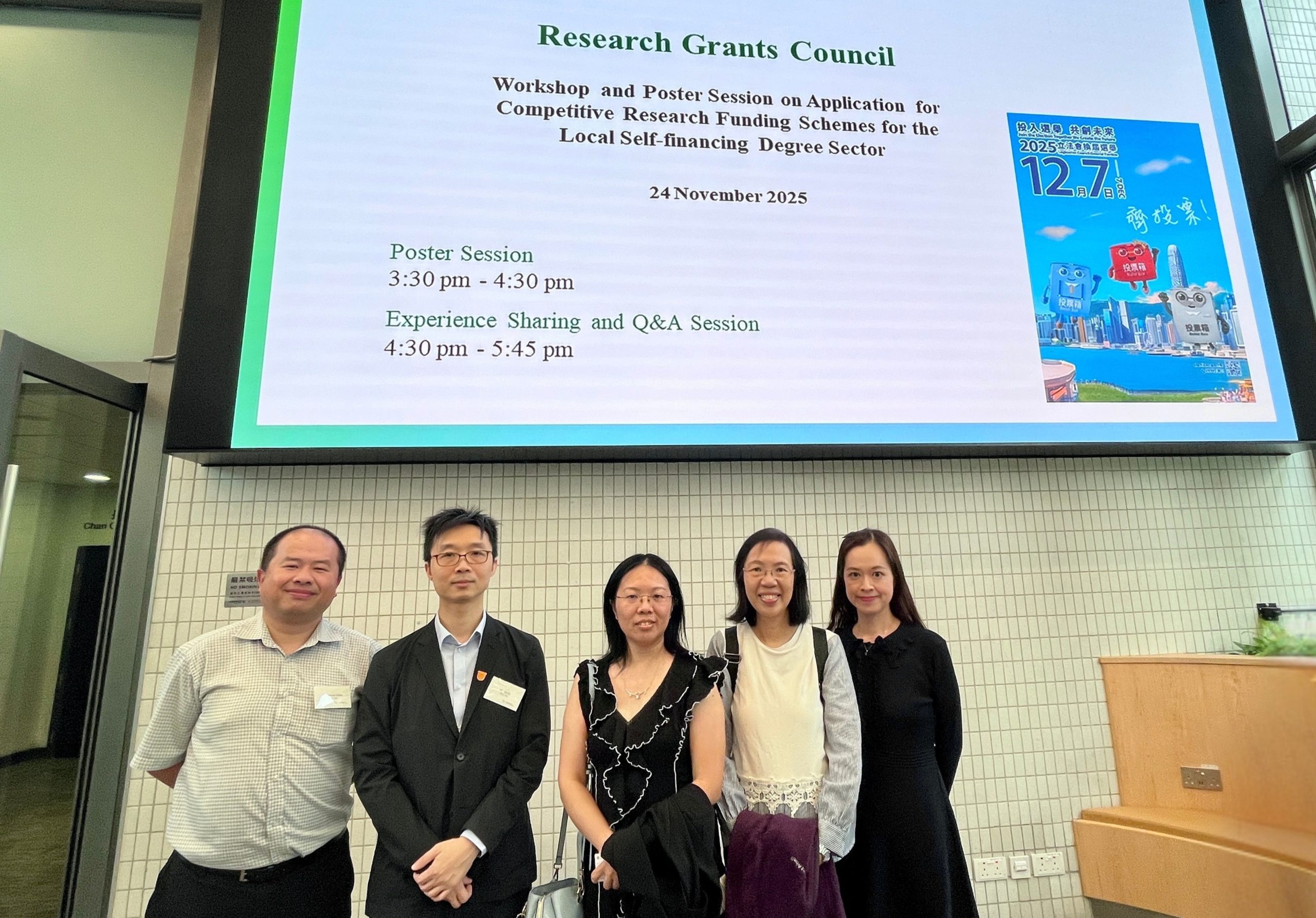
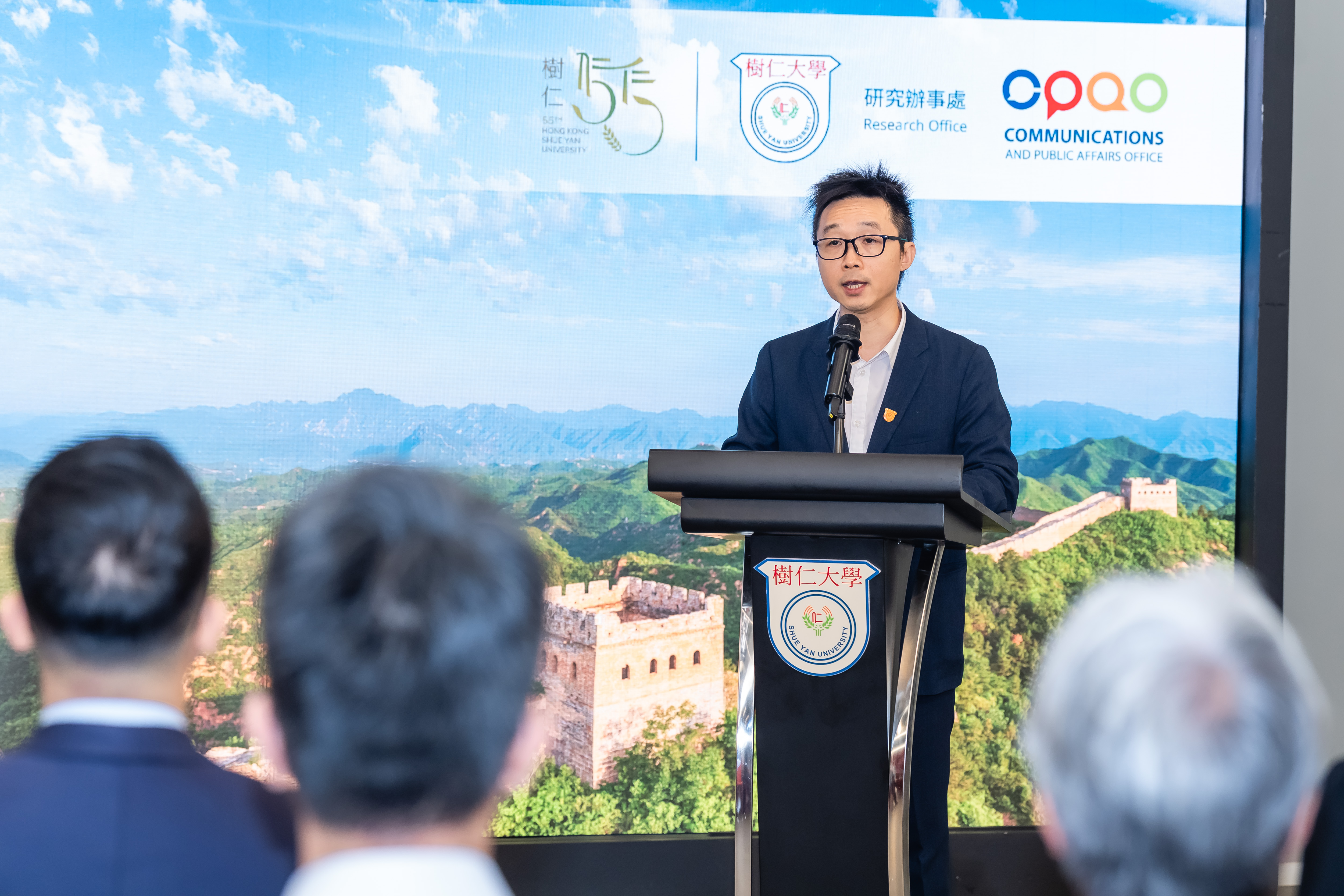
Dr LI pointed out that the Research Office plays a supportive role in promoting digital humanities research and research knowledge transfer. It actively identifies suitable funding opportunities to assist researchers in securing resources. Where feasible, it connects with relevant academic societies and government departments to foster cross-sector collaboration and drive the development of digital humanities research. He noted that digital humanities is not merely about the application of technological tools, but about adopting fresh perspectives to understand and respond to humanities and social issues. Through resource matching and partnership building, the University creates more opportunities for exchange and practical application among researchers, exploring the possibilities of integrating technology with humanities knowledge.
In terms of internal collaboration, HKSYU’s cohesive campus environment provides favourable conditions for interdisciplinary research. The Research Office will continue to promote cross departmental cooperation, encourage scholars from diverse professional backgrounds to exchange ideas, and integrate multifaceted knowledge and research methodologies to address complex social issues from a broader perspective. Dr LI emphasised that knowledge transfer has become an important aspect of the University’s social responsibility. “The role of a university extends beyond classroom teaching and talent cultivation; it must also step outside the campus to serve different communities and allow
research outputs to contribute back to society in appropriate ways.”
Regarding academic accreditation, Dr LI described the role of the Accreditation and Programme Development Office (APDO) as an “interpreter, coordinator, and risk gatekeeper.” APDO assists academic departments in accurately presenting their academic strengths while ensuring that programme proposals comply with Education Bureau policies and accreditation criteria, demonstrating achievements in a clear and verifiable manner.
Internally, APDO respects the professional judgment of departments concerning subject content, curriculum design, pedagogical strategies, and professional development. Through early communication, it helps departments systematically organise information—such as programme objectives, intended learning outcomes, assessment methods, external feedback, and student performance—to clearly articulate how a programme meets its stated Qualifications Framework (QF) level and institutional goals.
Externally, APDO translates policy requirements, procedural arrangements, and key concerns from the Education Bureau and accreditation bodies into clear, actionable tasks for academic departments. At the same time, it reflects the academic rationale, practical conditions, and potential risks of departments in an accurate and transparent manner. Should a gap arise between policy requirements and a department’s actual circumstances, APDO first clarifies the original intent of the policy and its non-negotiable
requirements, then collaborates with the department to find solutions that balance academic quality with practical feasibility.
He highlighted that the key to accreditation lies in maintaining academic integrity without over-packaging; staying transparent so stakeholders understand the reasoning, risks, and follow-up arrangements behind decisions; and viewing accreditation as an opportunity for continuous improvement rather than a one-off compliance exercise.
On the occasion of HKSYU’s 55th anniversary, Dr Alex LI congratulated the University on its continuous dedication to nurturing a new generation equipped with vision, commitment, and humanistic care. He wished all colleagues continued progress in keeping pace with the times, reaching new heights in teaching and research innovation as well as community service.
Source: 55th Anniversary Special Issue – September 2026