
The Department of Sociology actively aligns with HKSYU’s development strategy to reinvent liberal arts education in the digital age. It currently offers two undergraduate programmes, Sociology and Arts, Culture and Technology (ACT), both of which have incorporated digital elements to keep pace with societal needs. Beyond teaching, the Department is committed to knowledge transfer, translating academic research into social impact.
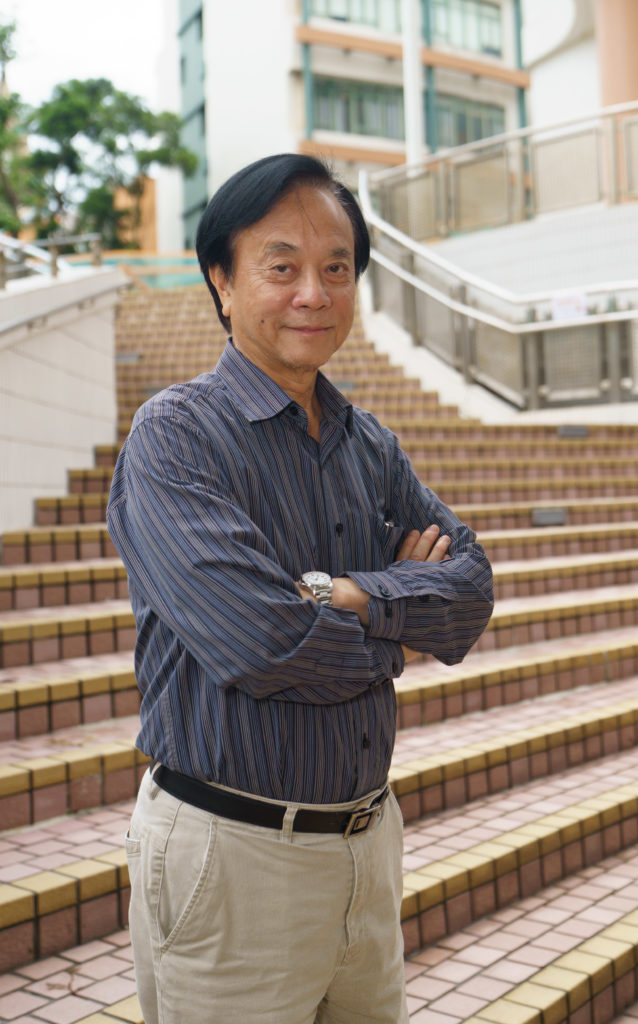
Professor CHEUNG Yuet-Wah, Head of Department and Distinguished Professor, believes that sociology remains a cornerstone of liberal arts education and plays a vital role in its evolution. In 2019, the Department introduced two concentrations: Entrepreneurship and Community (E&C) and Culture, Heritage and Innovation (CHI). The CHI concentration has incorporated a variety of digital approaches across many of its courses.
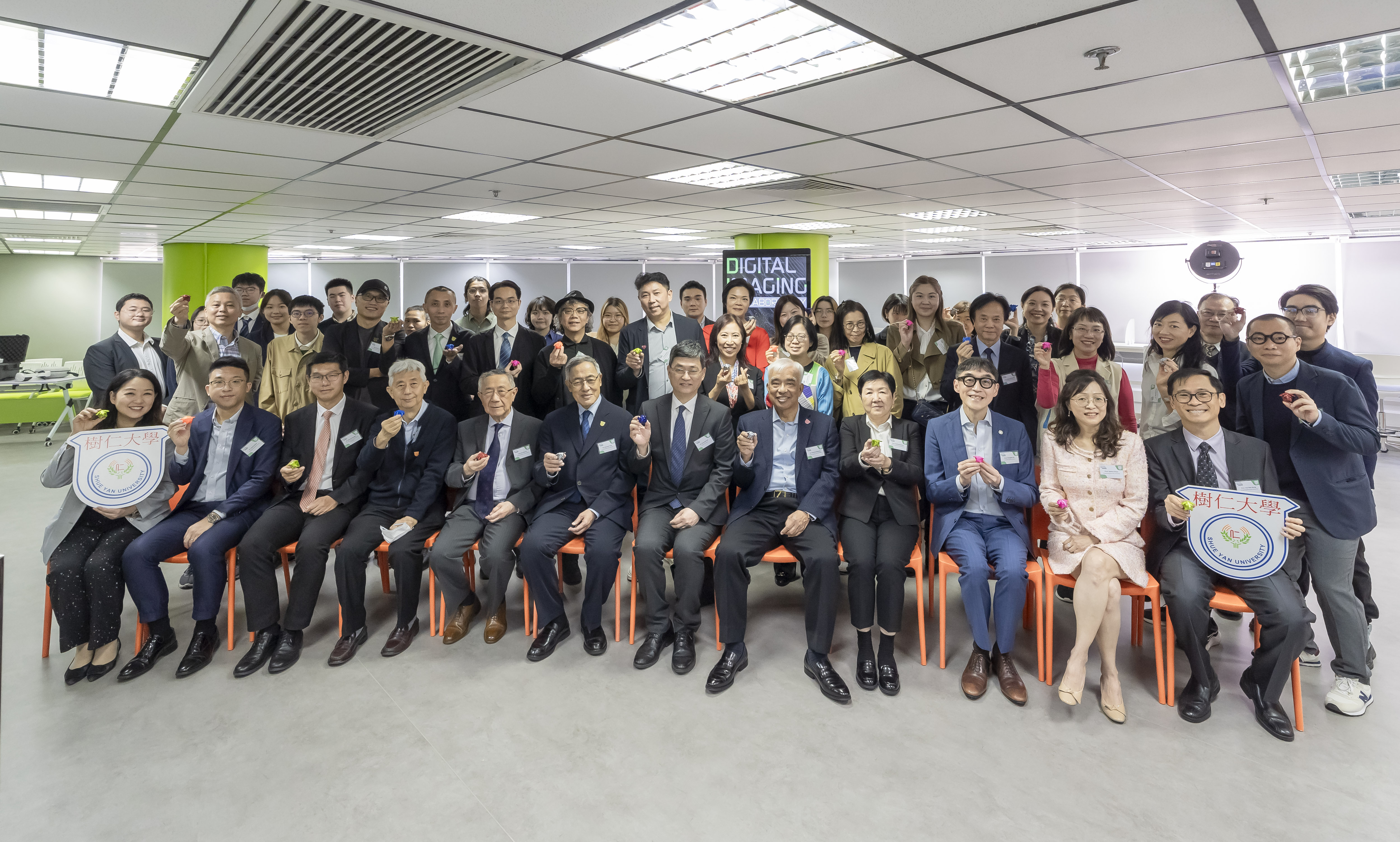
Four years later, HKSYU secured funding under the “Self-financing Post-secondary Education Enhancement and Start-up Grant Scheme” (ESGS), enabling the launch of the ACT programme, which emphasises the practical application of digital technologies. Recognising the growing influence of technology on society, the Department also replaced the E&C concentration with Digital Sociology (DS). Today, digitalisation is embedded throughout the curriculum.
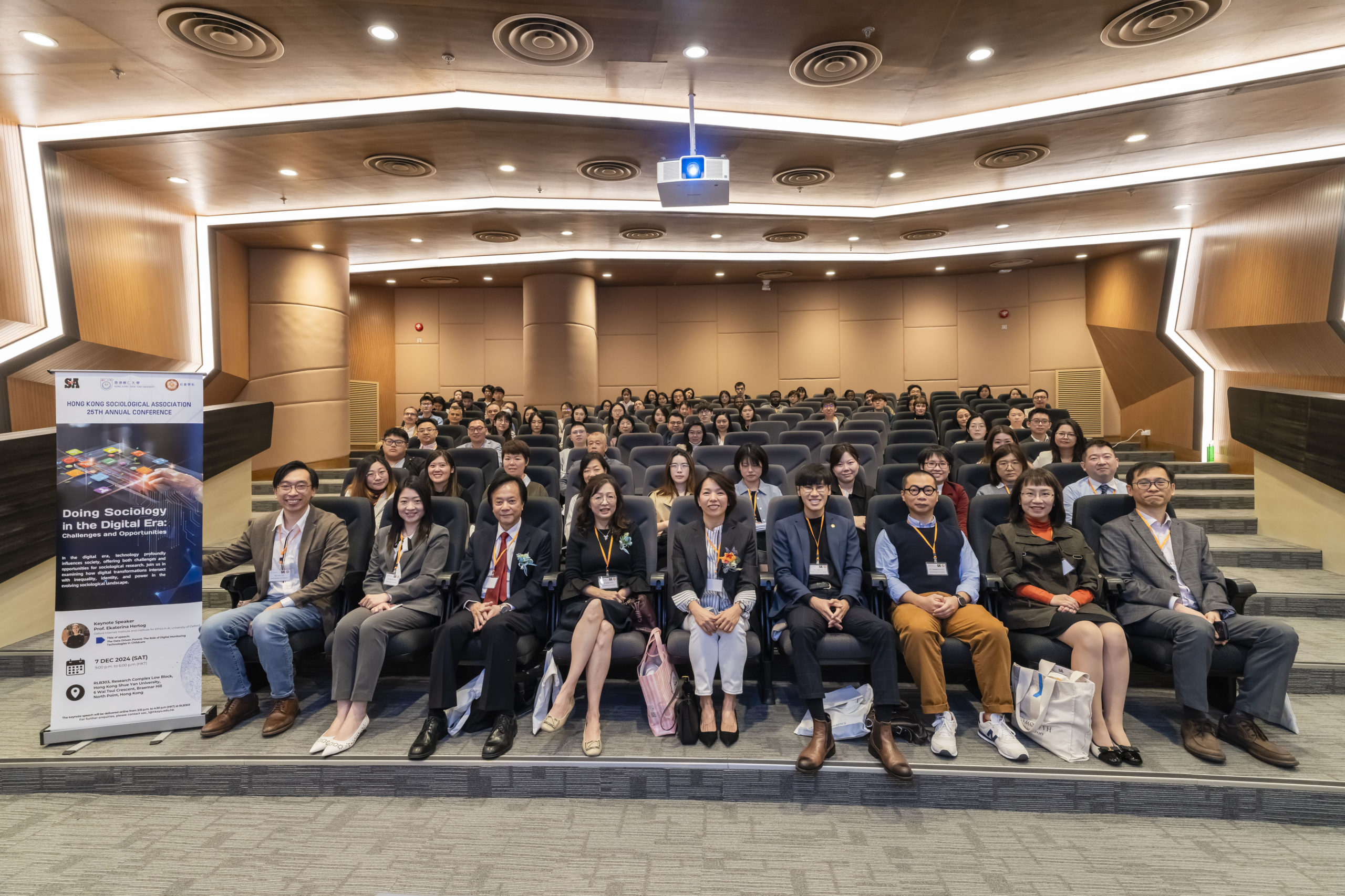
According to Professor CHEUNG, integrating digital elements into sociology has two important dimensions. First, technology is reshaping interpersonal relationships, communication patterns, and social organisation. Living in an increasingly digital world allows people to examine emerging forms of human interaction through a sociological lens. Second, social media is not only reflecting social realities but also creating new areas for research. Digital sociology has become a research approach, helping scholars to explore phenomena such as the interactions between audiences and Key Opinion Leaders (KOLs) on social media platforms.
Professor CHEUNG also emphasised that although HKSYU is not a research-intensive university, it maintains a strong research culture. The Department encourages academics to pursue research that addresses real-world needs, as research enriches teaching and generates meaningful social impact. More than 90% of academic staff are currently engaged in research, the highest proportion among the University’s 12 departments.
Drawing on his own two-decade study of youth drug abuse, Professor CHEUNG noted that his research has gone beyond academic publications. Its findings have been adopted by the Narcotics Division and drug rehabilitation organisations to enhance treatment and support services.
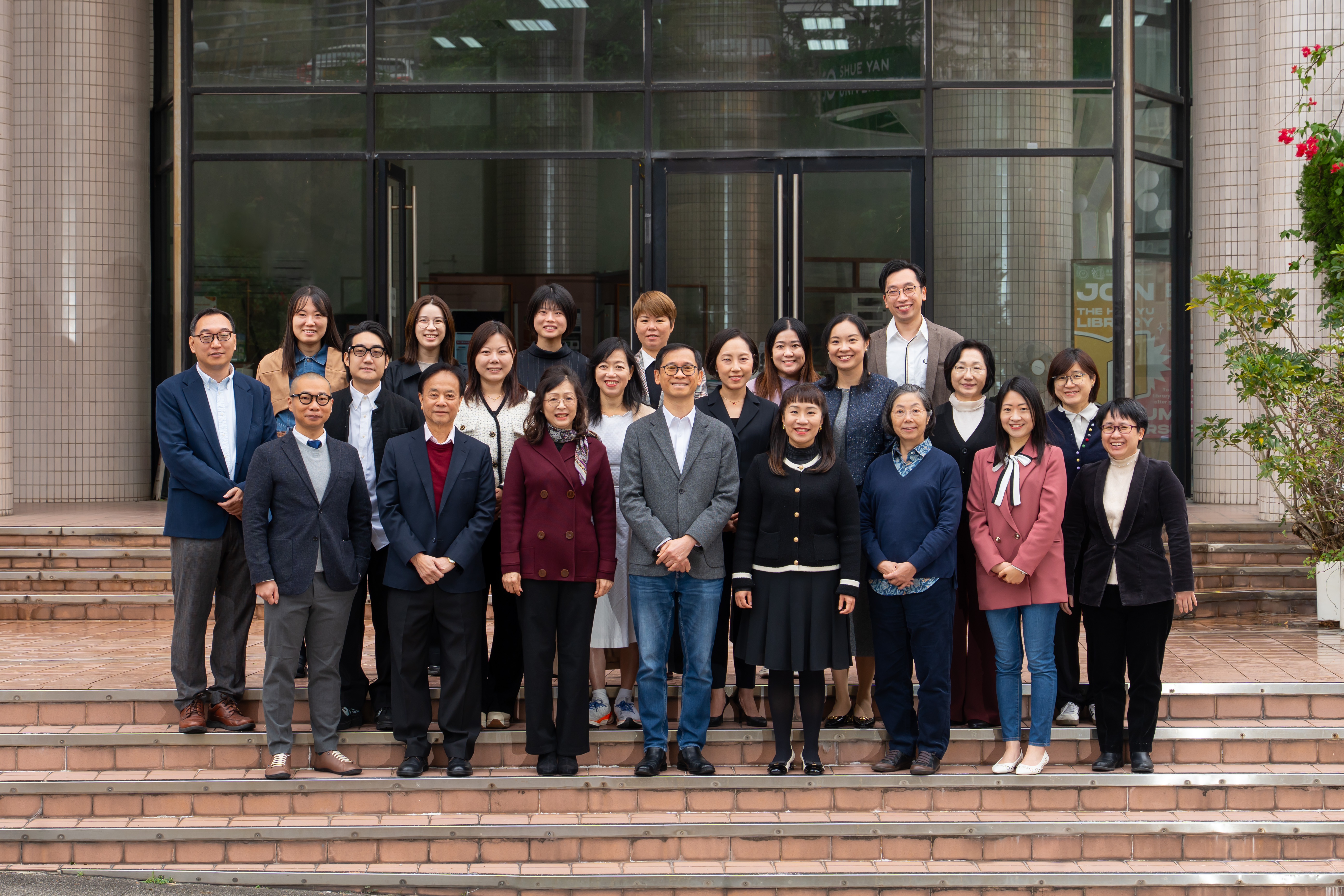
The Department’s teaching team reflects a diverse range of expertise. Associate Department Head Dr Flora LAU Pui-yan studies the utilisation of medical services by ethnic minorities; Another Associate Head Dr TSANG Chung-kin specialises in popular culture; Associate Professor Dr Gigi LAM focuses on older adults’ mental wellbeing; Dr Mikayla Man Pui-kwan studies gambling issues and ethnic minority communities, and Dr GAO Chong explores the adaptation of time-honored businesses to consumer behaviour in modern society. Under the leadership of Academic Vice President Professor Selina CHAN Ching, scholars involved in the CHI concentration and ACT programme have undertaken extensive research on intangible cultural heritage and produced ground-breaking and highly commendable results.



Source: 55th Anniversary Special Issue – September 2026