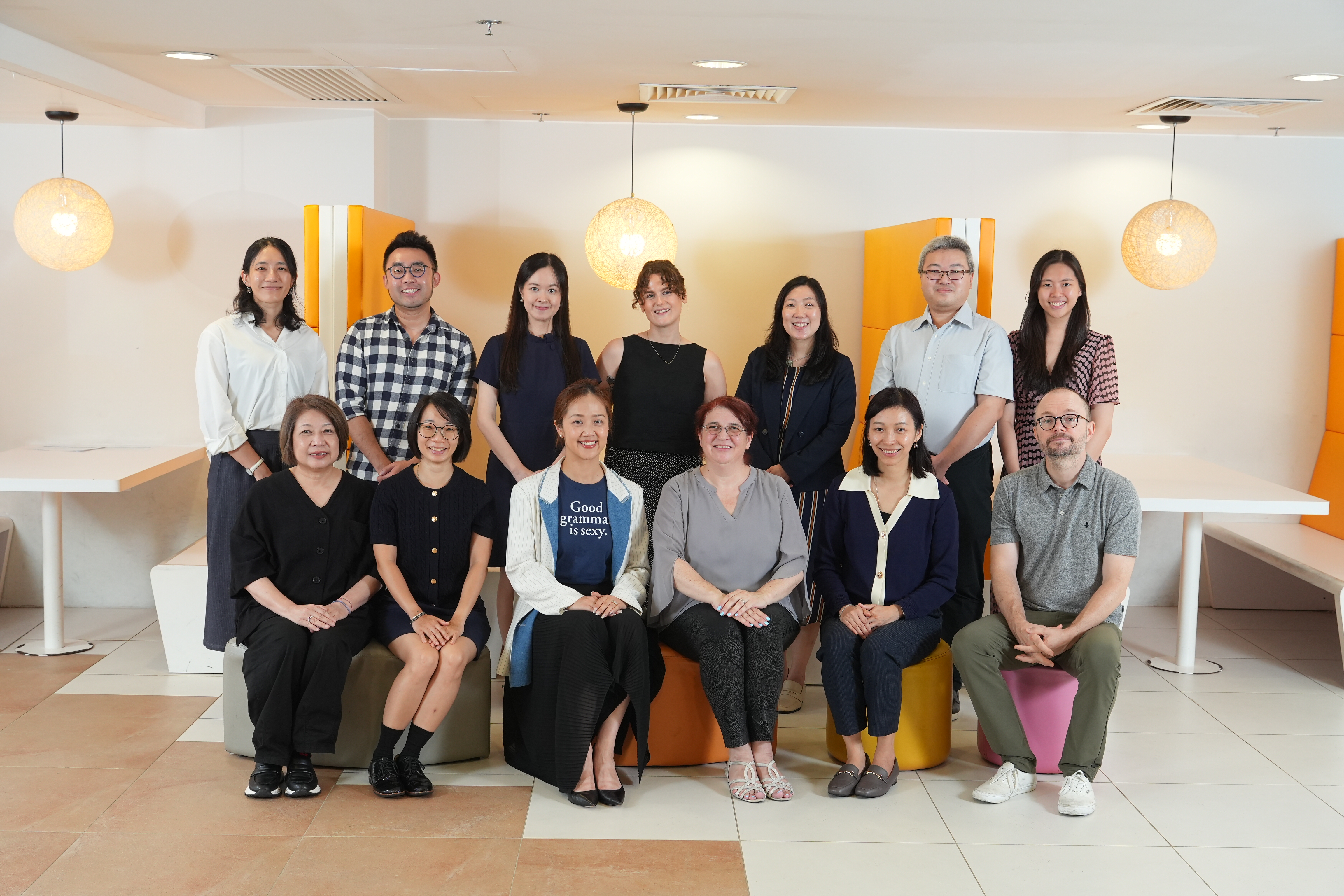
The Department of English Language and Literature has restructured its curriculum to strengthen career preparation, digital skills, and interdisciplinary learning.
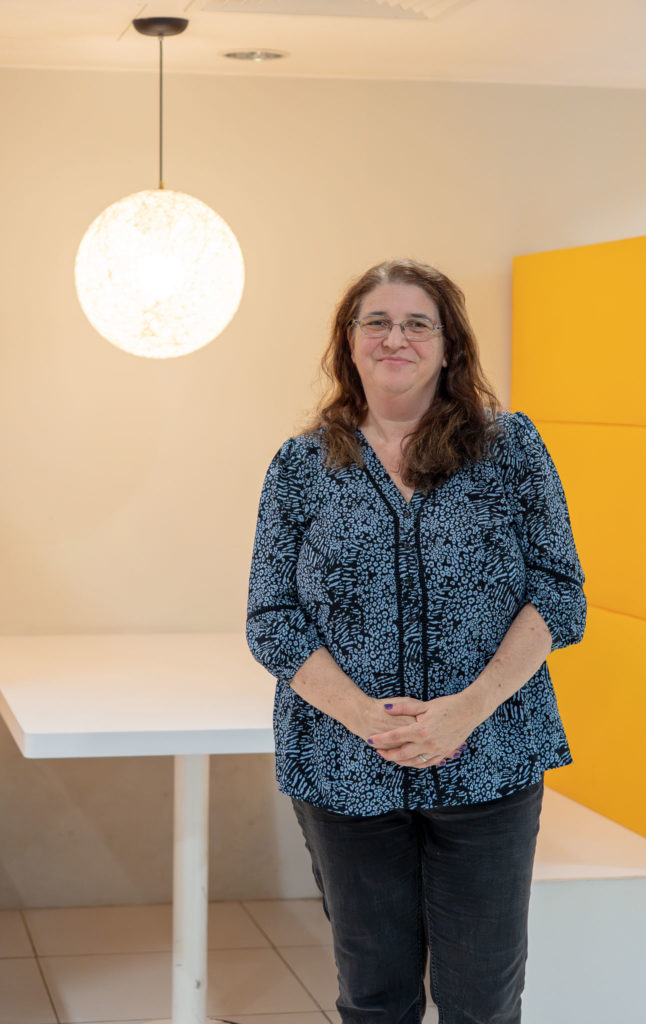
Dr Rebekah BALE, Head of Department, noted that around one-third of English graduates enter the education sector. To support them, the “Education Concentration in English (ECE)” offers courses such as “Second Language Acquisition and Teaching” and “History of Education in Hong Kong”, alongside internships in local schools.
Digital humanities are another cornerstone. In Year 3, the core course “Research Methods in English Studies” trains students to use digital tools in academic writing. Applied linguistics staff guide corpus building and explore AntConc software for research, while literary studies encourage exploration of archived images and historical texts. Assessments now include podcast production, video editing, and digital mapping.
Interdisciplinarity remains the Department’s distinctive feature. Beyond its core divisions of linguistics and literary studies, colleagues work across diverse fields. Applied linguistics often intersects with psychology, social work, and sociology, while other faculty focus on healthcare discourse or translation in the AI age. Research projects also explore gender in translation and comparative studies.
On the literary and cultural side, faculty interests span film studies, Shakespeare adaptations, and modernism in Asia and Hong Kong. One colleague leads a visual culture course for the Arts, Culture and Technology (ACT) programme. Faculty members present globally—from Europe and the US to Asia—engaging in grant applications,
collaborative projects, and research on children’s literature.
A highlight of this approach is the Year 4 course “Interdisciplinary Approach to English Studies”, where students connect across disciplines to create a final interdisciplinary project.
Dr BALE, on behalf of the Department, warmly congratulates HKSYU on its 55th anniversary and the 20th anniversary of receiving university status. Looking ahead, the Department remains dedicated to combining liberal arts education with the digital age, offering vital contributions in the era of digital AI.

Source: 55th Anniversary Special Issue – September 2026